

BY GODWIN OBI
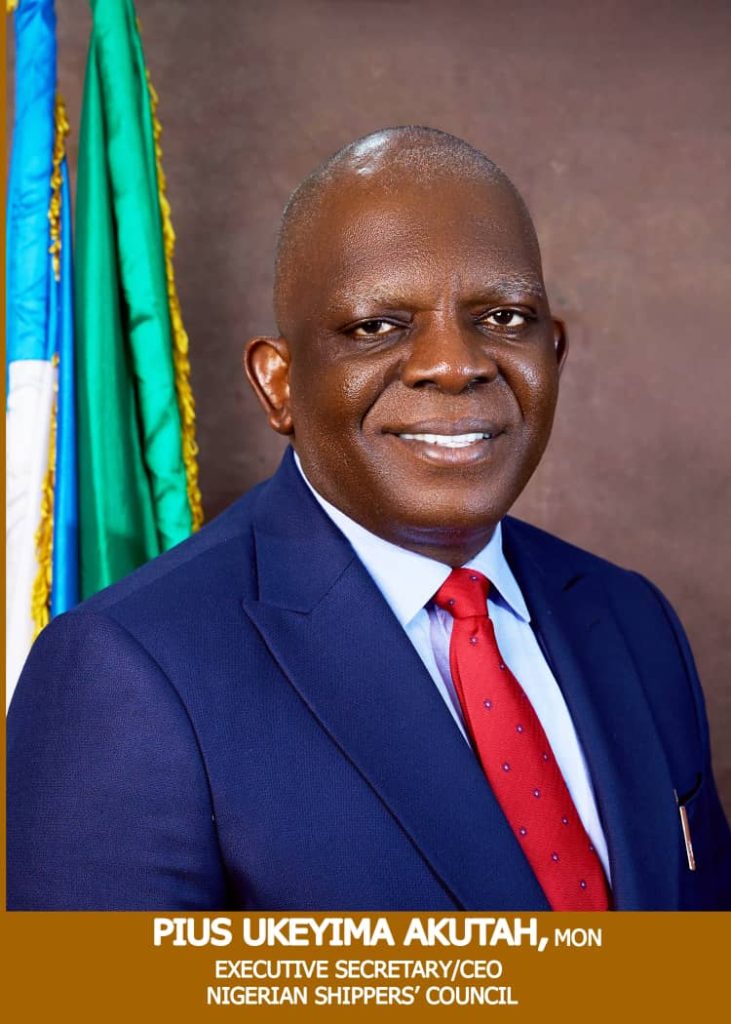
The Executive Secretary and CEO of the Nigerian Shippers Council (NSC), Pius Akutah, has expressed concerns over persistent security and operational challenges at Nigerian ports, highlighting issues such as cargo theft, lawlessness, and inefficiencies that continue to plague the maritime sector. Speaking at the 2024 Annual Seminar for Maritime Journalists in Lagos, Akutah, represented by Mustapha Zubairu, the Director of Special Duties at the NSC, detailed how these challenges increase shipping costs and disrupt operations.
Akutah noted that while the NSC was designated as the economic regulator of Nigerian ports in 2015, the role still requires formal legislative backing. He stressed the urgent need for the passage of the Nigerian Shipping and Port Economic Regulatory Agency Bill 2023, which seeks to replace the outdated Nigerian Shippers’ Council Act. This bill, he said, is critical to establishing a robust regulatory framework that will address inefficiencies and enhance port competitiveness.
The challenges facing Nigerian ports go beyond regulatory gaps. Poor infrastructure, including outdated cargo-handling equipment, inadequate road networks, and insufficient storage facilities, has severely hampered port efficiency. Akutah explained that while the NSC can oversee economic activities, the responsibility for infrastructure lies with other government agencies, limiting its capacity to enact comprehensive reforms.
He also emphasized the need for better collaboration among key stakeholders, including the Nigerian Ports Authority (NPA), customs, terminal operators, and shipping companies. A lack of coordination among these entities has created inefficiencies and a fragmented regulatory environment, which, in turn, complicates efforts to streamline port operations.
Another significant concern is the high cost of doing business at Nigerian ports. Elevated tariffs, port charges, and operational inefficiencies have deterred competitiveness and placed a financial strain on businesses. Akutah acknowledged the delicate balance the NSC must maintain between reducing costs for importers and exporters and ensuring sustainable revenue for port authorities.
Despite ongoing efforts to address port congestion, delays and bottlenecks persist, leading to demurrage charges and other inefficiencies. The NSC has been working closely with terminal operators and other agencies to alleviate these issues, though progress remains slow.
One of the most pressing issues raised by Akutah was the low adoption of modern technology in port operations. He highlighted how insufficient digitalization, poor internet infrastructure, and resistance to change among stakeholders have hindered transparency and operational efficiency. A lack of skilled personnel in technology-related fields further complicates efforts to modernize port processes.
Security challenges remain a persistent threat to port operations, with cargo theft, piracy, and general lawlessness undermining progress. Corruption, illegal fees, and rent-seeking behavior among port officials and stakeholders exacerbate these issues, making regulatory enforcement and reforms more difficult to implement.

At the seminar, Sesan Onileimo, the CEO of First Medicaon Network Ltd and facilitator of the event, reflected on the progress made since the seminar’s inception nine years ago. He noted that the theme of this year’s event, “The Nigerian Shippers’ Council in Transition: Issues, Prospects, Challenges,” was chosen to deepen the understanding of maritime journalists regarding the evolving role of the NSC.
Onileimo praised the NSC’s management for championing the Nigerian Shipping and Port Economic Regulatory Agency Bill 2023, describing it as a potential game-changer for the maritime sector. He expressed optimism that the bill, once enacted, would address current inefficiencies and foster a fairer, more competitive pricing system for port services.
He concluded by stating that the new regulatory framework could significantly improve Nigeria’s ease of doing business rankings in the maritime sector, ushering in a transformative era for port operations in the country.
ADVERTISEMENTS:









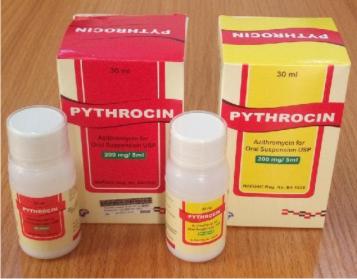
Pythrocin distributed by Pinnacle Health Pharmaceuticals Ltd

