

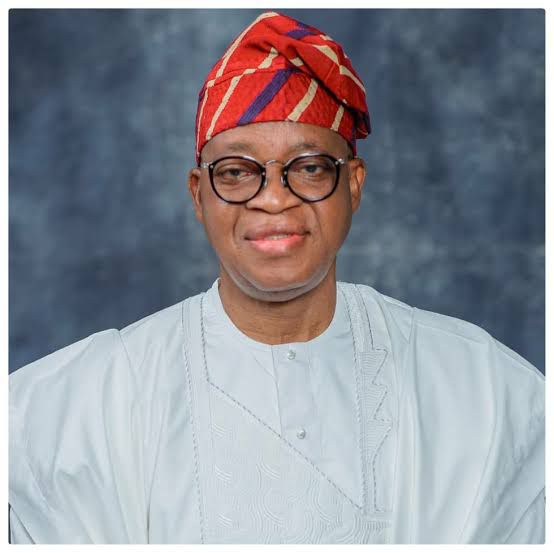
Nigeria is set for a major leap in maritime security and food production as the Minister of Marine and Blue Economy, Adegboyega Oyetola, unveiled ambitious plans to expand the nation’s highly successful Deep Blue Project while boosting local fish production to cut costly imports.
Speaking in Abuja during a meeting with the leadership of the Nigerian Economic Summit Group, Oyetola said the Federal Government had received a proposal to upgrade the Integrated National Security and Waterways Protection Infrastructure, popularly known as the Deep Blue Project.
Describing the initiative as a game-changer, the minister revealed that Nigeria has recorded zero piracy incidents in its territorial waters for more than four years—a feat widely linked to the success of the project.
“The Deep Blue Project has transformed maritime security in Nigeria. With its integrated air, land and sea assets, supported by advanced surveillance systems, it has strengthened response capacity, restored investor confidence and made our waters safer,” he said.
Once regarded as one of the world’s most dangerous maritime corridors, the Gulf of Guinea has seen remarkable improvement, with safer waters driving increased shipping traffic, lower insurance premiums, stronger port activity and expanded regional trade.
Oyetola said the proposed expansion would consolidate these gains and position Nigeria as a dominant force in maritime security across West and Central Africa, while unlocking fresh opportunities in the blue economy.
Push to End Fish Imports
Beyond maritime security, the minister said the government is intensifying efforts to transform fisheries and aquaculture into major drivers of food security, employment and export earnings.
“It is no longer acceptable that Nigeria continues to spend huge foreign exchange importing fish,” Oyetola declared, stressing that the administration is determined to reverse the trend through aggressive local production strategies.
He disclosed that domestic fish production rose from 1.1 million metric tonnes to 1.4 million metric tonnes in 2025—the first increase in a decade—signaling renewed momentum in the sector.
According to him, government plans include the reactivation of fishing terminals nationwide and stronger support for artisanal fish farmers to meet local demand and tap export markets.
Major Export Breakthrough
In another boost for the industry, Oyetola announced that the United States has approved Nigeria’s Turtle Excluder Device certification, clearing the way for Nigerian shrimp exports to access both U.S. and European markets.
He said the breakthrough would generate significant foreign exchange earnings, improve competitiveness in Nigeria’s seafood industry and create jobs across the value chain—from fishing and processing to logistics and export services.
NESG Backs Marine Policy
Earlier, the Chief Executive Officer of the Nigerian Economic Summit Group, Tayo Aduloju, praised the ministry for developing a robust National Policy on Marine and Blue Economy.
He described the policy as a strategic roadmap capable of unlocking Nigeria’s vast marine resources, improving governance, protecting the environment and attracting private sector investment.
Aduloju added that effective implementation of the policy would stimulate GDP growth, create jobs, strengthen food security and elevate Nigeria’s status in the global blue economy.
The meeting was attended by senior ministry officials, including Permanent Secretary Fatima Mahmood and presidential adviser Busayo Fakinlede.
With security gains mounting and economic reforms gathering pace, the Federal Government’s renewed focus on the marine and blue economy may soon become one of Nigeria’s biggest untapped success stories.
ADVERTISEMENTS








2026-04-25