
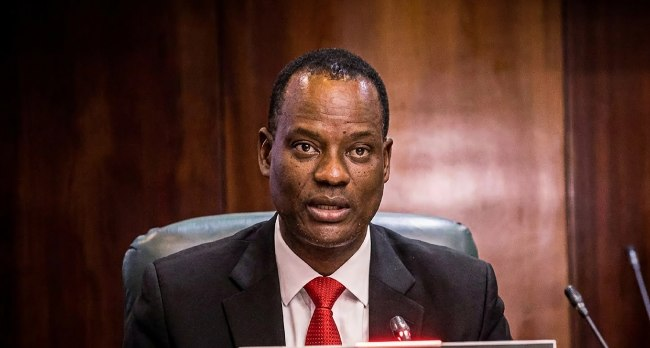
Taiwo Oyedele
The Presidency has ruled out any return to fuel subsidy, despite mounting pressure over rising living costs, with Taiwo Oyedele insisting the policy reversal is not under consideration.
Oyedele made this position known on Tuesday in Paris, where he joined President Bola Ahmed Tinubu in engagements with global investors. He argued that fuel subsidies create economic distortions and that petrol pricing should be left to market forces rather than government controls.
“We will not bring back fuel subsidy because it distorts the economy, and we won’t impose price controls because we believe the market can regulate itself,” he said, adding that evolving global energy dynamics could open new opportunities for Nigeria.
The stance comes against the backdrop of worsening inflation following the subsidy removal in May 2023. Headline inflation climbed sharply from 22.41 per cent at the time to 34.19 per cent by June 2024, driven largely by surging fuel, food, and transportation costs, intensifying the cost-of-living crisis.
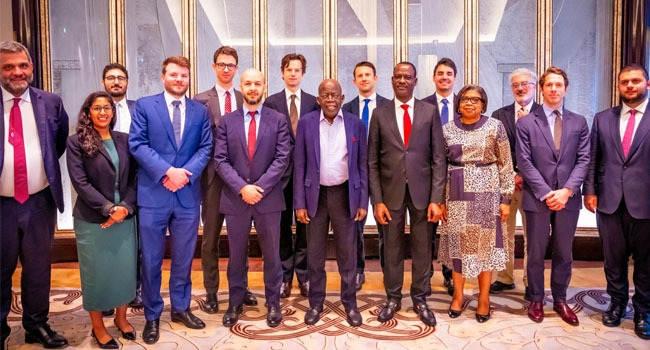
At the event, Tinubu said his government is committed to reforms.
Food inflation also spiked, crossing 39 per cent by October 2024, while transport fares rose by nearly 300 per cent, exacerbating poverty levels across the country. The combined effect of subsidy removal and currency devaluation has continued to strain household incomes.
Speaking at the same forum, President Tinubu defended the decision, describing subsidy removal as necessary to stabilise Nigeria’s foreign exchange market. According to him, eliminating what he called a “burden” has contributed to improved FX stability.
A statement by presidential aide Bayo Onanuga reiterated that the administration’s reform agenda is focused on correcting structural imbalances, strengthening fiscal discipline, and laying the groundwork for inclusive economic growth.
Oyedele also highlighted improved economic performance, noting that Nigeria recorded 11.2 per cent GDP growth in dollar terms in 2025—an indicator, he said, of progress toward the government’s $1 trillion economy target by 2030.
He pledged greater transparency, including the publication of quarterly financial data, while Patience Oniha assured investors of prudent debt management and a commitment to sustainability.
The investment meeting drew participation from major global institutions such as Citibank, Amundi, Prudential Global Investment Management, and others, reflecting sustained international interest in Nigeria’s reform trajectory.
President Tinubu reaffirmed his administration’s commitment to policy stability, transparency in the oil sector, and broader structural reforms, stressing that the ultimate goal is to translate economic changes into tangible benefits for Nigerians.
ADVERTISEMENTS








2026-05-06