
BY FRONTLINE REPORTERS
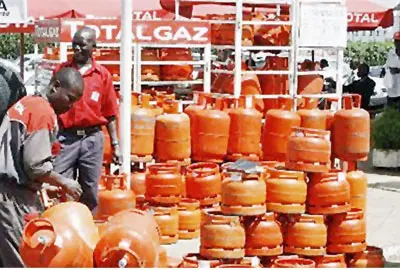
Despite possessing Africa’s largest proven gas reserves and recording increased gas production, Nigeria is facing a worsening Liquefied Petroleum Gas (LPG) crisis, with shortages and soaring prices threatening millions of households and businesses that depend on cooking gas.
Industry experts warn that the situation is unlikely to improve in the short term as domestic demand continues to outstrip supply, while producers increasingly prioritize export markets that offer better returns.
Data from the Nigerian Upstream Petroleum Regulatory Commission (NUPRC) shows that 62 per cent of Nigeria’s gas output in the first two months of 2026 was exported, leaving only 38 per cent for domestic consumption. Analysts argue that this supply structure is no longer sustainable given the rapid growth in local demand for LPG.
According to the latest Nigeria LPG Production and Supply Matrix (2023–2026) report, national consumption of cooking gas has risen by 20 per cent, from 1.5 million metric tonnes in 2023 to 1.8 million metric tonnes in 2026. However, total supply is estimated at only 1.55 million to 1.65 million metric tonnes, leaving a significant deficit.
Ironically, the supply gap persists despite increased domestic production, boosted by the entry of the Dangote Refinery and other local gas-processing facilities. The report notes that Nigeria’s LPG market has undergone a major transformation, with growing contributions from domestic refineries and gas-processing plants. Yet demand continues to outpace supply growth.
The imbalance has triggered a sharp rise in retail prices, with cooking gas now selling between N1,700 and N2,000 per kilogramme in many parts of the country, representing an increase of more than 80 per cent compared to the first quarter of the year.
Industry stakeholders blame the crisis on multiple factors, including inadequate gas infrastructure, poor storage capacity, export-focused supply policies, insecurity, pipeline vandalism, foreign exchange volatility, regulatory bottlenecks and continued gas flaring.
Experts say Nigeria lacks the pipelines, processing facilities and distribution networks needed to efficiently transport gas from production fields to consumers. They also point to the preference of many producers for export markets, where prices are more attractive and earnings are received in foreign currency.
The situation has placed enormous pressure on households, small businesses and food vendors. The Nigerian Association of Liquefied Petroleum Gas Marketers (NALPGMA) warned that persistent shortages, high depot prices and rising logistics costs are making LPG increasingly unaffordable for average Nigerians.
According to the association, many families are already reverting to firewood and charcoal for cooking, a trend that could worsen public health challenges, accelerate deforestation and undermine Nigeria’s clean energy goals.
Industry leaders also warn that the current crisis could fuel food inflation, discourage investment and lead to job losses if urgent intervention is not undertaken.
The National President of the Oil and Gas Service Providers Association of Nigeria (OGSPAN), Mazi Colman Obasi, described the outlook for the sector as uncertain, noting that many of the underlying problems require substantial investment and long-term policy commitment.
While increased contributions from major producers such as NLNG, Dangote Refinery, Seplat, Pan Ocean, Greenville and others have strengthened domestic output, experts insist that Nigeria must rapidly expand gas-processing infrastructure, storage facilities and domestic supply incentives if it hopes to achieve self-sufficiency.
Data from the National Bureau of Statistics (NBS) underscores the severity of the challenge. The average price of cooking gas has surged by 335 per cent over the past decade, rising from N400 per kilogramme in 2016 to N1,741 per kilogramme in 2026.
Analysts caution that unless decisive measures are taken to improve infrastructure, boost domestic supply and create a more attractive investment environment, Nigerians may continue to grapple with cooking gas shortages and rising prices despite the country’s enormous gas reserves.
ADVERTISEMENTS








2026-06-08