

BY GODWIN OBI
In a daring move to rescue Nigeria’s ports from the clutches of outdated infrastructure and sluggish operations, the Nigerian Ports Authority (NPA) has secured approvals for a significant tariff overhaul., thereby hiking tariffs by 15% across the board, with a view to bringing the ports into a new era of competitiveness.
Recall that the last slight adjustment was made back in 1993, about three decades ago.
This decision is driven by the urgent need to revamp the country’s ports, which have long been plagued by crumbling infrastructure, obsolete equipment, and painfully slow capacity expansion. These challenges have turned Nigeria’s once-thriving ports into a bottleneck, undermining their ability to compete globally. As trade wars intensify and markets scramble to secure vital supply chains, Nigeria’s maritime sector has been losing out to its more modernized neighbors. This tariff hike is seen as a necessary move to stem the tide and regain Nigeria’s lost position in the global shipping race.
Despite common misconceptions, NPA’s tariffs are not as exorbitant as many believe. In fact, when compared to regional peers, the NPA’s charges are among the lowest. The real issue lies in the inefficient and outdated processes that inflate costs—rampant bureaucracy, cumbersome human interfaces, and the absence of a unified Port Community System (PCS) and National Single Window (NSW), all contribute to this myth of high costs.
The tariff adjustment, while long overdue, brings immediate benefits that will have a ripple effect throughout the industry. First, it gives the NPA the green light to accelerate its port modernization projects, which have long been on paper but lacking funding. The extra revenue will also support the crucial development of a robust ICT backbone for the PCS, which will be the foundation for the National Single Window—a game-changing development that promises to streamline processes and reduce operational delays.

DR.. DANTSOHO ABUBAKAR
But that’s not all. The tariff boost will inject much-needed capital into the maintenance and expansion of vital port infrastructure, particularly in the underdeveloped Eastern ports. Projects like the reconstruction of the Escravos Breakwaters and the modernization of the Rivers, Onne, and Calabar ports are finally within reach, and this move positions the NPA to handle the increased cargo traffic that will follow.
At a crucial stakeholders’ meeting held in Lagos, Abubakar Dantsoho, NPA’s Managing Director, represented by Olalekan Badmus, Executive Director of Marine and Operations, reassured the room that this tariff adjustment wasn’t just a necessary financial measure but a step toward restoring the health of the entire port system.
Stakeholders like Joshua Asanga, a port management expert, voiced strong support for the tariff revision, arguing that the value of the current rates had been eroded by inflation, which now hovers around 35%. He pointed out that for over 30 years, essential operational costs—such as wages, fuel, and general expenditures—had been on the rise, but the NPA’s charges had not kept pace. Asanga stressed that without funds to improve infrastructure and modernize ICT systems, Nigeria’s ports would continue to falter.
Another key voice, Demian Ukagu, emphasized the urgent need for NPA to invest more in neglected port facilities like the Kirikiri Lighter Terminal. He called for the development of vital infrastructure across the nation’s ports, saying that the tariff increase should reflect the true cost of port operations and ensure sustainable growth for the long term.
As the meeting concluded, a consensus emerged: the existing tariff structure was outdated and incapable of supporting the modern, competitive ports Nigeria desperately needs. Continuing to operate under these old rates would only exacerbate issues like poor service quality, subpar infrastructure, and outdated equipment. Worst of all, it would stall the necessary investments in modern port facilities, potentially leaving Nigeria’s ports in the dust as the rest of the world moves forward.
ADVERTISEMENTS:









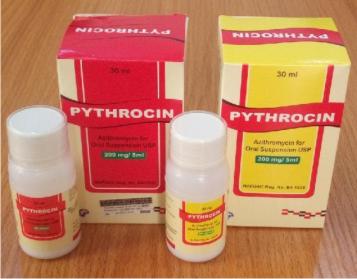



Pythrocin distributed by Pinnacle Health Pharmaceuticals Ltd


2025-02-04
2025-02-06
