


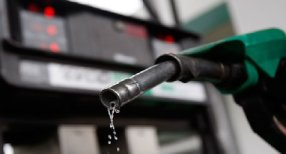
Petrol prices are climbing across Nigeria following a surge in global crude oil prices past the $80 per barrel mark, triggered by escalating tensions involving the United States, Israel and Iran.
Industry sources say the ripple effect is already being felt in the downstream sector, with depots and marketers adjusting pump prices upward amid concerns that Premium Motor Spirit (PMS) could soon hit ₦1,000 per litre if the crisis deepens.
A report by Petroleumprice.ng indicated that the Dangote Petroleum Refinery & Petrochemicals has raised its ex-depot price of petrol from ₦774 to ₦874 per litre — a ₦100 increase. The move has triggered a fresh wave of price adjustments among approved marketers.
Market checks show several filling stations now selling PMS at about ₦900 per litre, while some depots are dispensing at slightly lower rates of around ₦895 per litre. Petrol loading, which was reportedly paused briefly, has resumed at the new pricing structure, with Proforma Invoice issuance aligned strictly to the revised rate.
Speaking on Channels Television’s Politics Today, economist Paul Alaje warned that the upward trend may persist if geopolitical tensions remain unresolved.
According to Alaje, rising crude prices historically translate into higher costs for refined products such as petrol, diesel, and aviation fuel, amplifying inflationary pressures across the economy.
“While crude oil goes up, we all need to check the impact on our economy. The first thing you see is high inflation because as crude oil rises, the cost of PMS, diesel and Jet-A1 follows,” he said.
He projected that by the end of April, PMS could exceed ₦1,000 per litre if the conflict is not effectively managed.
“If PMS is ₦1,000, you can imagine what diesel will be; you can imagine what flight tickets will be. It will affect the poor, the middle class, and, of course, the rich,” Alaje added.
The rapid price adjustments underscore the vulnerability of Nigeria’s downstream petroleum market to global oil shocks, despite the operational status of the Dangote refinery, which has a production capacity of about 650,000 barrels per day.
As of press time, the refinery had not issued an official statement confirming the latest price increase.
Meanwhile, President of the Dangote Group, Aliko Dangote, has announced plans to expand into steel production, electricity generation and port development as part of a broader push to accelerate Africa’s industrialisation and deepen the continent’s manufacturing base beyond oil refining.
With crude prices on an upward trajectory and domestic pump prices adjusting swiftly, businesses and households may need to brace for renewed cost pressures in the weeks ahead.
ADVERTISEMENTS







2026-03-02
