
At Nigeria’s ports, corruption didn’t always shout—it whispered. It lived in delays, in missing files, in the quiet expectation of a “facilitation” before cargo could move. For years, these invisible bottlenecks shaped the rhythm of trade, quietly driving up the cost of everything from food to cement.
Now, that old order is being rewritten—by code.
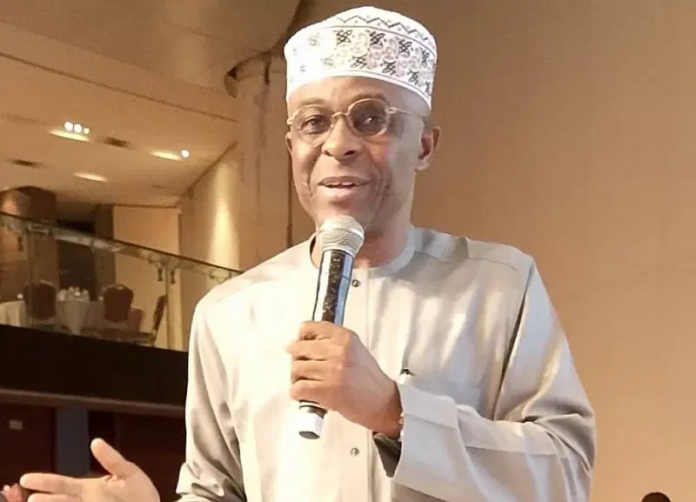
Under the leadership of Dr. Abubakar Dantsoho, the Nigerian Ports Authority (NPA) is spearheading a digital overhaul that aims to do what years of policy debates could not: dismantle the human systems that enabled corruption to thrive. The launch of the National Single Window (NSW) marks a decisive break from the past, collapsing Nigeria’s fragmented port processes into a single, seamless digital platform.
In practical terms, it means fewer desks, fewer faces, and fewer opportunities for manipulation. Documentation that once moved physically—from office to office, desk to desk—now travels instantly, tracked and time-stamped. The discretion that once defined port operations is steadily giving way to automated transparency.
But this transformation runs deeper than efficiency. It is a systemic shift. By eliminating face-to-face approvals, the NSW effectively shuts down the informal economy that fed on delays and ambiguity. In its place emerges a process where every action leaves a digital footprint—and every delay demands explanation.
For businesses and consumers alike, the implications are significant. When cargo clears faster, costs fall. The “hidden taxes” once embedded in port inefficiencies begin to disappear, easing pressure on market prices and strengthening the flow of trade.

Driving this change is the Port Community System (PCS), the digital backbone that connects all stakeholders within a unified ecosystem. Here, visibility is total: transactions are logged, fees are transparent, and accountability is no longer optional.
What is unfolding is not just a reform—it is a redefinition. Nigeria’s ports are transitioning from a culture of negotiation to a culture of automation, from opaque processes to open systems.
And in that transition lies a powerful message: the era of handshake deals is ending. In its place, a new order is taking shape—one where technology, not discretion, determines the pace of progres
ADVERTISEMENTS