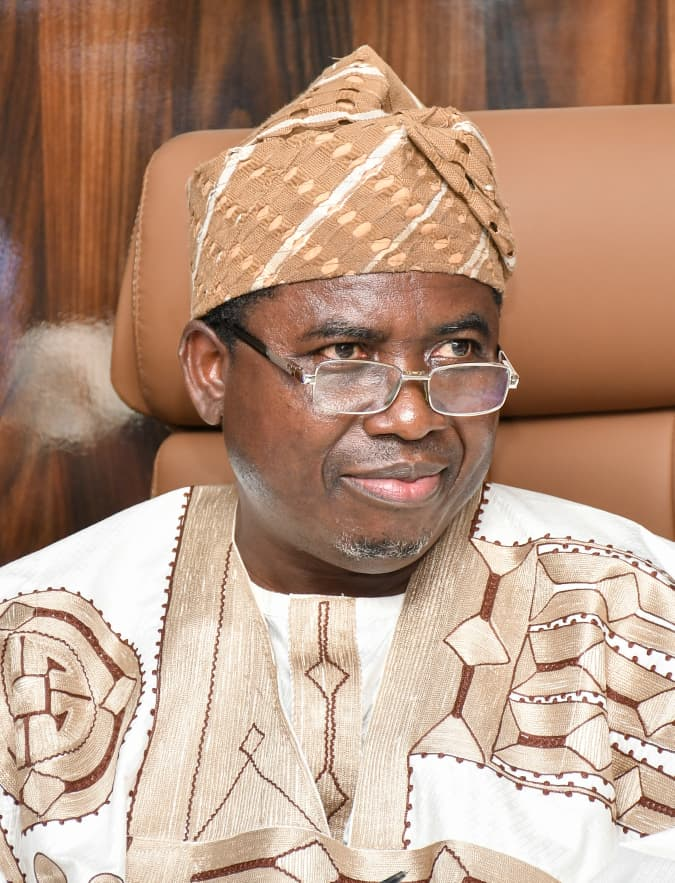
INEC Chairman, Professor Joash Amupitan. Photo: INEC
Fresh concerns over the credibility of the 2027 general elections emerged on Wednesday after the Independent National Electoral Commission warned that worsening insecurity across Nigeria could threaten the conduct of free, fair and credible polls.
However, opposition parties strongly opposed any move to deploy soldiers for election duties, insisting that security during elections should remain the responsibility of civil authorities, particularly the police.
The concerns come amid heightened political realignments, early campaigns and growing anxiety over the nation’s security situation ahead of the next election cycle.
INEC Chairman, Joash Amupitan, raised the alarm during a visit to the Inspector-General of Police, Tunji Disu, in Abuja.
Amupitan warned that persistent violence, vote-buying and attacks on electoral processes pose serious threats to democratic stability in Nigeria.
“The scale of insecurity across various parts of Nigeria presents a threat to the conduct of free elections. We must carry out total security risk analysis ahead of the election to identify flashpoints and deploy strategies to mitigate risks,” he stated.
He stressed the need for stronger collaboration between INEC and security agencies ahead of the presidential election scheduled for January 16, 2027, and the governorship and state assembly elections fixed for February 6, 2027.
The INEC chairman also highlighted concerns over Internally Displaced Persons camps, insisting that displaced Nigerians and persons with disabilities must not be disenfranchised during the elections.
Responding, the police boss assured Nigerians that the Nigeria Police Force had already commenced nationwide threat assessments and intelligence mapping to guarantee adequate election security.
Disu said the police would prioritise preventive policing, inter-agency cooperation and strict enforcement of electoral laws.
“We will ensure that individuals involved in ballot snatching, vote-buying, voter intimidation and attacks on electoral officials are arrested and prosecuted in accordance with the law,” he said.
Despite the assurances, opposition parties warned against military involvement in the electoral process, arguing that deploying troops could heighten tension and erode public confidence in the elections.
National Coordinator of the Obidient Movement, Yunusa Tanko, said election security should remain within the jurisdiction of the police and other civil agencies.

Tanko also expressed fears that insecurity could be exploited as a pretext to undermine the electoral process or target opposition candidates ahead of 2027.
Similarly, Labour Party spokesman, Ken Asogwa, described the possible deployment of soldiers as inappropriate for a civic exercise.
“Soldiers are trained to fight wars and defend territorial integrity, not to man polling booths,” he argued.
The Peoples Democratic Party Interim National Working Committee, led by Tanimu Turaki, also maintained that partisanship and lack of neutrality within INEC pose a greater danger to credible elections than insecurity itself.
Its spokesman, Ini Ememobong, urged INEC to focus on restoring public trust, transparency and fairness in the electoral process.
On its part, the New Nigeria People’s Party called on the Federal Government to urgently tackle insecurity before the polls.
The party’s National Publicity Secretary, Ladipo Johnson, said the government still had enough time to improve the security situation ahead of the elections but warned against giving authorities the power to deploy soldiers to polling units.
Meanwhile, insecurity is already affecting political activities, with the Social Democratic Party relocating its May 9 national convention from Abuja to Bauchi over security and logistical concerns.
SDP National Chairman, Sadiq Gombe, said the party had put adequate measures in place to ensure a smooth and credible convention, including the constitution of screening, electoral and convention committees to oversee the exercise.
He assured party members that the convention and screening of aspirants would be conducted with fairness, transparency and strict adherence to party guidelines.
The development underscores growing fears over the impact of insecurity on Nigeria’s democratic process as the country prepares for the crucial 2027 general elections.
ADVERTISEMENTS