

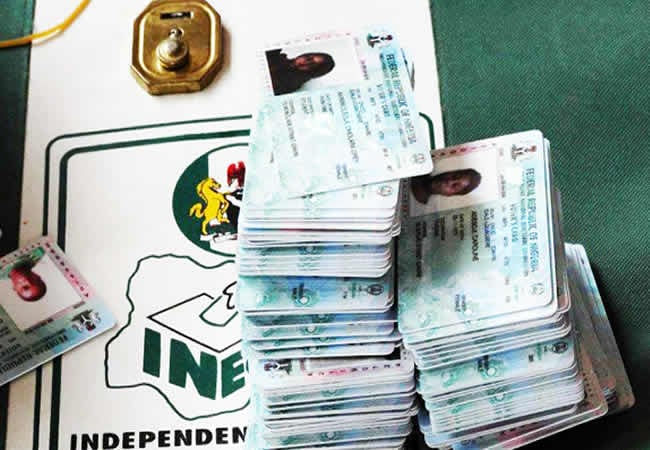
A growing political storm is trailing the proposed voter revalidation exercise by the Independent National Electoral Commission, with opposition parties, civic groups, and election experts warning it could disenfranchise millions ahead of the 2027 polls.
The African Democratic Congress, Peoples Democratic Party, and the Obidient Movement, alongside civil society organisations, have raised alarm over the timing and logistics of the exercise, arguing that it risks undermining public trust in Nigeria’s electoral system.
INEC had announced plans to conduct a nationwide revalidation of voter records from April 13 to May 29, 2026, targeting the removal of ineligible entries such as deceased persons, underage registrants, and duplicate records. However, the commission has since directed a temporary suspension of preparations pending further review.
Opposition voices say the exercise, coming less than a year before the 2027 elections, is ill-timed and potentially exclusionary. They warn that rural communities—where access to technology and awareness is limited—could be hardest hit.
ADC spokesman, Bolaji Abdullahi, questioned how millions of Nigerians, especially in remote areas, would successfully complete the process under current realities. He argued that the requirement could discourage participation rather than strengthen the system.
Similarly, PDP Publicity Secretary, Ini Ememobong, described the move as a misplaced priority, urging INEC to focus instead on improving electoral logistics. He warned that the exercise could fuel suspicion of political bias and erode confidence in the commission.
The Obidient Movement’s National Coordinator, Yunusa Tanko, also expressed concern that revalidation could further reduce voter turnout, citing existing distrust in the electoral process.
Civil society groups echoed similar fears. Auwal Rafsanjani of the Civil Society Legislative Advocacy Centre warned that the exercise could deepen voter apathy if not carefully managed, noting concerns over manpower, technology, and time constraints.

While some stakeholders acknowledge INEC’s legal authority to clean up the voter register, experts like former INEC official Oluwole Uzzi stress that timing remains critical. Conducting such an exercise close to an election, they argue, risks creating confusion and political tension.
Although intended to strengthen the credibility of the voter register, the revalidation plan is now facing mounting resistance, with calls for broader consultation and a more gradual, inclusive approach.
With preparations currently on hold, attention now shifts to INEC’s next move—and whether it can balance electoral integrity with public confidence ahead of 2027.
ADVERTISEMENTS