

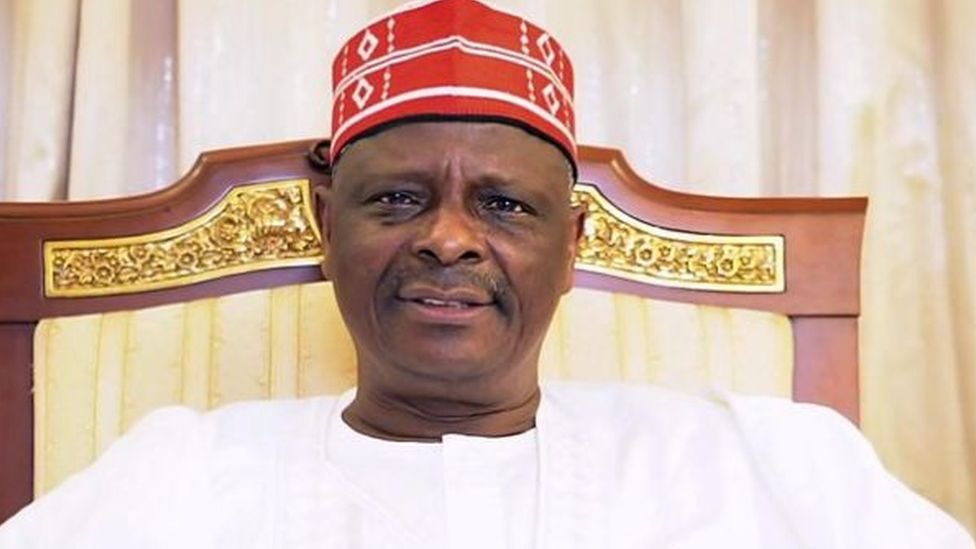
ALHAJI RABIU MUSA KWANKWASO, FORMER KANO STATE GOVERNOR
BY FRONTLINE REPORTERS
A proposed United States bill seeking sanctions against former Kano State Governor Rabiu Musa Kwankwaso and two Miyetti Allah groups has triggered sharp reactions from Nigeria’s major political parties, with both the ruling All Progressives Congress (APC) and the New Nigeria Peoples Party (NNPP) rejecting the move.
Five US lawmakers recently introduced the Nigeria Religious Freedom and Accountability Act of 2026, which recommends visa bans and asset freezes under the Global Magnitsky Human Rights Accountability Act. Those named include Kwankwaso, the Miyetti Allah Cattle Breeders Association of Nigeria (MACBAN), Miyetti Allah Kautal Hore, and groups described as “Fulani-ethnic nomad militias.”
The bill accuses the listed individuals and entities of involvement in “severe religious freedom violations,” alleging systemic persecution of Christians in Nigeria. It also directs the US Secretary of State to determine whether certain Fulani-ethnic militias qualify for designation as Foreign Terrorist Organisations (FTOs).
APC: Allegations Not Enough
Reacting to the proposal, APC Director of Publicity Bala Ibrahim cautioned against punitive measures based solely on allegations.
“America is the beacon of democracy and freedom. Allegations remain allegations until proven,” Ibrahim said. “Restricting an individual’s movement without fair hearing and due process would be unjust.”
NNPP: “Contrived Blackmail”
The NNPP described the proposed sanctions as politically motivated. Speaking at a press conference in Abuja, the party’s National Publicity Secretary, Ladipo Johnson, dismissed claims linking Kwankwaso to religious persecution.
“We see this as a contrived action against an innocent man with no ties to religious fundamentalism,” Johnson stated. “Kwankwaso’s public record demonstrates inclusivity and national leadership.”
Johnson referenced Kwankwaso’s earlier comments urging caution over what he termed “oversimplified characterisations” of Nigeria’s security challenges following Nigeria’s redesignation as a Country of Particular Concern (CPC) by US President Donald Trump.
Controversy Over Sharia Laws
US Congressman Riley Moore, one of the bill’s sponsors, publicly challenged Kwankwaso’s record, citing Kano State’s adoption of Sharia criminal law during his tenure.
“You instituted Sharia law. You signed legislation making blasphemy punishable by death,” Moore wrote on X.
In response, the NNPP questioned why other northern governors who implemented Sharia were not similarly singled out, calling the focus on Kwankwaso “selective.”
Lawmakers Cite Religious Violence
The US legislators cited data from international monitoring organisations, including the Open Doors World Watch List, claiming Nigeria accounts for 82 per cent of Christians killed globally for their faith. The bill alleges that between 50,000 and 125,000 Christians were killed from 2009 to 2025, alongside widespread destruction of churches and Christian-owned properties.
It further accuses Fulani-ethnic militias of massacres, kidnappings, and village attacks, stating that their activities meet the statutory definition of terrorism.
Blasphemy Laws Under Scrutiny
Beyond armed violence, the bill criticises Nigeria’s blasphemy laws in 12 northern states, arguing that they have been used to target Christians, minority Muslims, and dissenters. Several high-profile cases were cited, including mob attacks and controversial death sentences.
Awaiting Responses
As of the latest reports, Kwankwaso, MACBAN, and Miyetti Allah Kautal Hore have not issued formal responses to the allegations contained in the US legislation.
Nigerian authorities have consistently denied claims of religious persecution, maintaining that the government respects freedom of religion and is tackling insecurity without bias.
The bill’s progression through the US Congress could further test diplomatic relations between Washington and Abuja, already strained by debates over security, human rights, and sovereignty.
ADVERTISEMENTS









2026-02-12


