


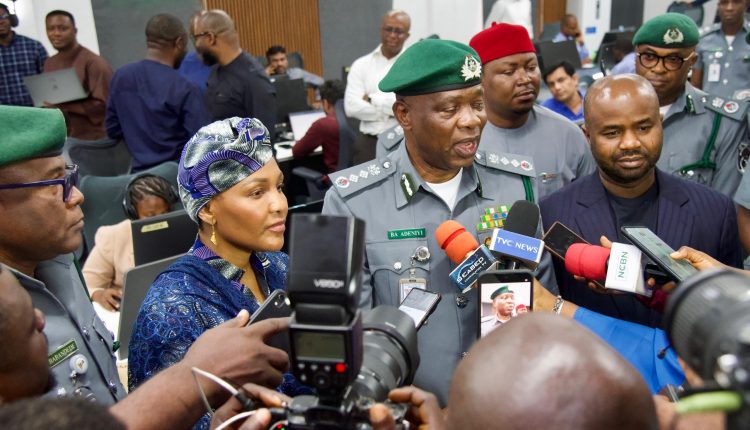
The Nigeria Customs Service (NCS) and the Presidential Enabling Business Environment Council (PEBEC) have unveiled a results-driven reform agenda aimed at eliminating long-standing bottlenecks at Nigeria’s ports and boosting trade efficiency.
The initiative, launched during a three-day operational workshop in Apapa, signals a decisive shift from policy formulation to real-time implementation, with authorities emphasizing measurable outcomes over theoretical frameworks.
Speaking at the event, Comptroller-General of Customs, Adewale Adeniyi, said the Service is now focused on translating existing reform policies into tangible operational results.
“This is about closing the gap between knowing and doing. Our priority is to turn established best practices into consistent, measurable outcomes,” he stated.
Five-Pillar Reform Strategy
Adeniyi outlined a comprehensive reform blueprint built on five key pillars:
Joint cargo inspections
Risk-based clearance system
Optimisation of scanning infrastructure
Enforcement of service timelines
Enhanced inter-agency coordination
He noted that the NCS is transitioning toward intelligence-led cargo processing, leveraging digital platforms and modern scanning systems to speed up clearance while improving transparency.
To ensure accountability, Adeniyi disclosed that a detailed implementation matrix will be developed and closely monitored at the highest levels.
“This will not gather dust on a shelf. Progress will be tracked, and I will personally oversee compliance,” he added.
Push for Smarter Inspections
Director-General of PEBEC, Zahrah Mustapha-Audu, stressed the importance of adopting a data-driven inspection model to reduce unnecessary delays and costs.
“We must move from inspecting everything to inspecting the right things,” she said, noting that efficient border processes are key to improving Nigeria’s global trade competitiveness.

Customs’ Expanding Role
Also speaking, Deputy Comptroller-General (Tariff and Trade), Caroline Niagwan, highlighted the evolving role of the Service in trade facilitation and economic growth, stressing the need for efficiency across all commands.
Stakeholder Engagement and Next Steps
As part of the reform push, the joint delegation visited the National Single Window facility, engaging stakeholders including Zacch Adedeji, to assess progress and identify operational gaps.
Industry analysts view the renewed collaboration as a strong signal of political will to address chronic port challenges such as congestion, duplication of processes, and prolonged cargo dwell times.
With implementation now firmly in focus, stakeholders will be watching closely for faster clearance timelines, reduced costs, and a more predictable operating environment for importers and exporters.
ADVERTISEMENTS












2026-04-07


