
DR. BASHIR ADEWALE ADENIYI ‘MFR’, COMPTROLLER GENERAL OF NIGERIA CUSTOMS SERVICE
An international trade expert and media executive , Chief Okey Ibeke, has remarked that an ongoing sweeping reform drive by the Nigeria Customs Service (NCS) is reshaping the commercial landscape of Nigeria’s South East, unlocking long-constrained trade routes and lowering the cost of doing business.
In a detailed assessment of the Service’s evolving agenda, Chief Ibeke said the transformation under Comptroller-General Bashir Adewale Adeniyi marks a decisive shift from a revenue-focused agency to a modern trade facilitation institution aligned with President Bola Ahmed Tinubu’s Renewed Hope Agenda.
Since assuming office in June 2023, Adeniyi has pursued a strategy built on consolidation, collaboration, and innovation—one that is not only strengthening revenue collection and anti-smuggling operations but also dismantling structural barriers that have historically stifled legitimate commerce, particularly in Nigeria’s hinterlands.
At the heart of this shift is the operational revival of the Onitsha River Port, now functioning as a Customs-designated cargo destination. For decades, traders and manufacturers across Aba, Nnewi, Onitsha, Enugu, Ebonyi, and Imo bore the burden of clearing goods in Lagos or Port Harcourt before enduring costly and time-consuming road transport inland.
That narrative is changing. With full Customs procedures now active in Onitsha, cargo can move directly through the River Niger into Anambra State—shortening supply chains, cutting demurrage costs, and reducing the risks associated with long-haul trucking.
Manufacturers in Nnewi, traders in Onitsha, and industrial clusters in Aba are already feeling the impact, benefiting from faster cargo access, reduced logistics expenses, and improved turnaround times.
Complementing this progress is the aggressive licensing of bonded warehouses and inland terminals across the region. These Customs-approved facilities allow goods to be stored and cleared closer to their final markets, easing congestion at seaports while bringing compliance processes nearer to businesses.
“The policy direction is clear—decongest the ports, lower costs, improve compliance, and move cargo clearance closer to where goods are actually used,” Ibeke noted.
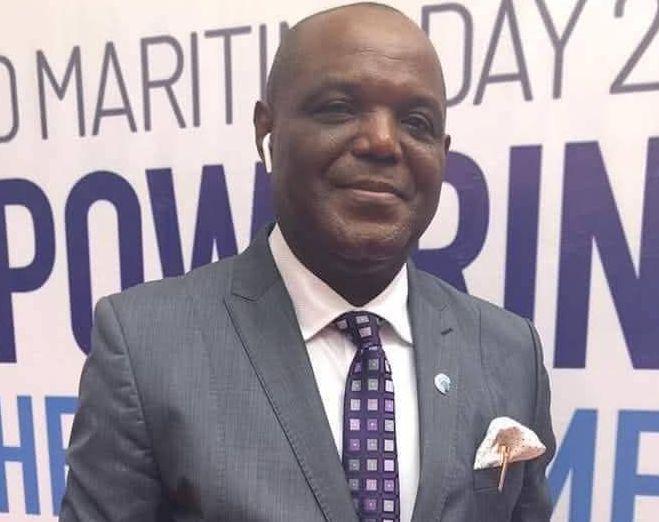
CHIEF OKEY IBEKE, MARITIME EXPERT
The reforms are also driving ripple effects across the regional economy. Key industrial hubs—Aba’s garment and leather clusters, Nnewi’s auto manufacturing base, and Onitsha’s vast trading networks—are gaining new momentum, while support sectors such as logistics, banking, insurance, and hospitality are seeing increased activity along emerging inland trade corridors.
Ibeke added that the initiative holds strong export potential, offering agro-processors and manufacturers in the South East new opportunities to aggregate goods via bonded terminals and leverage inland waterways for shipment to coastal ports.
Despite the progress, he cautioned that sustaining the gains will require urgent attention to critical infrastructure gaps, including dredging of the River Niger, expansion of barge capacity, and improved road connectivity around Onitsha.
He called for deeper coordination among key agencies and state governments to fully harness the benefits of the reforms, stressing that true trade facilitation goes beyond digital systems to addressing physical and structural bottlenecks.
With the activation of Onitsha River Port and the expansion of inland cargo infrastructure, Ibeke concluded, the NCS is redefining the South East’s role in Nigeria’s trade ecosystem—transforming it from a logistics afterthought into a dynamic hub for commerce, investment, and growth.
ADVERTISEMENTS