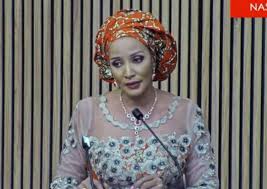
MRS. BIANCA OJUKWU
The Federal Government has demanded urgent accountability from South Africa following the deaths of two Nigerians and rising anti-foreigner protests, warning that the situation could strain diplomatic ties and endanger Nigerian citizens.
The government’s position was conveyed during a meeting in Abuja between the Acting High Commissioner of South Africa to Nigeria, Lesoli Machele, and the Permanent Secretary of the Ministry of Foreign Affairs, Ambassador Dunoma Ahmed.
According to the Ministry, the dispute centres on the deaths of Nnaemeka Matthew Ekpeyong and Kelvin Chidiebere Amaramiro, both allegedly linked to assaults by South African security personnel.
Ekpeyong reportedly died on April 21, 2026, while in custody of the Tshwane Metro Police Department after sustaining injuries allegedly inflicted by personnel of the South African National Defence Force. Authorities said no incriminating evidence was found during a search of his residence, raising serious concerns about the circumstances surrounding his detention and death.
Similarly, Amaramiro died on April 25, 2026, at Livingstone Hospital in the Eastern Cape following an alleged assault by members of the same security force.
Beyond the deaths, Nigeria condemned the growing wave of xenophobic attacks and protests targeting foreigners. Officials described disturbing footage of demonstrations calling for non-nationals, particularly Africans, to leave the country.
The government also raised alarm over threats linked to groups such as Operation Dudula, warning that such rhetoric could fuel further violence if not urgently addressed.
Nigeria has called for thorough and impartial investigations into the incidents, including access to autopsy reports, case files, and legal processes for the victims’ families. It also stressed the need for accountability, urging disciplinary and prosecutorial action against any personnel found culpable.
In addition, the Federal Government urged South African authorities to guarantee the safety of Nigerians by enforcing due process in arrests, preventing profiling, and upholding professional conduct among security agencies.
While acknowledging statements by South African leaders condemning violence, Nigeria emphasised that such assurances must translate into concrete action on the ground.
Diplomatic engagement has since intensified, with Nigeria’s Foreign Affairs Minister, Bianca Odumegwu-Ojukwu, holding discussions with her South African counterpart to address the crisis.
Despite rising tensions, the government has appealed for calm among Nigerians, assuring that it is engaging South African authorities at the highest level to ensure justice, protect citizens, and restore confidence in bilateral relations.
ADVERTISEMENTS